National Library hosts forum on human-centred architecture
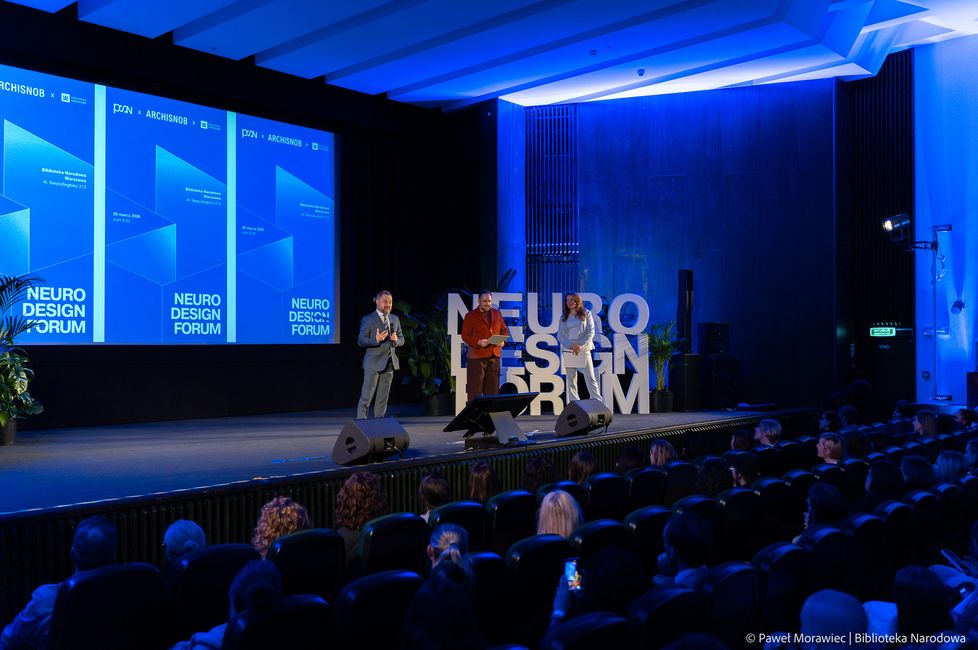
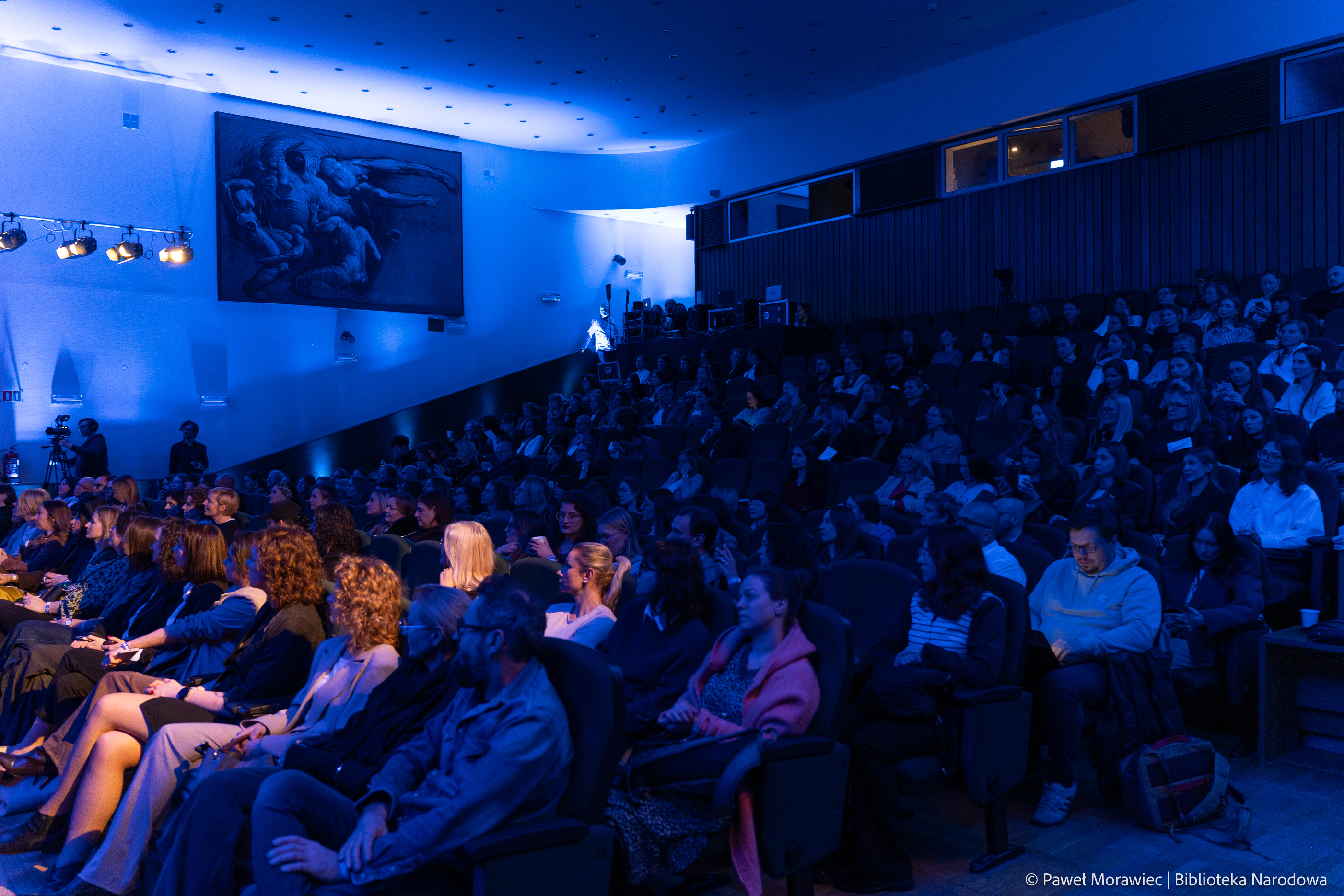
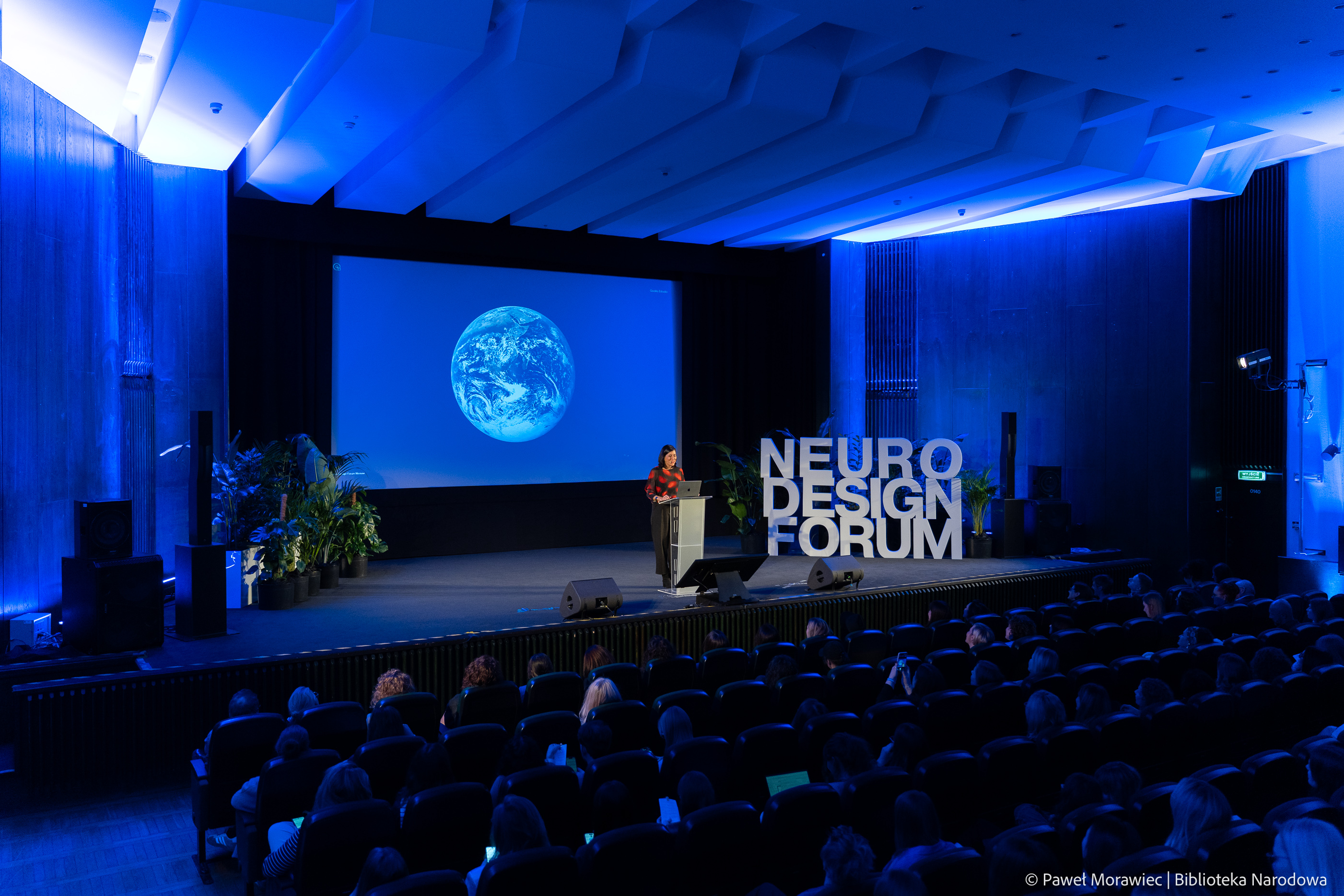
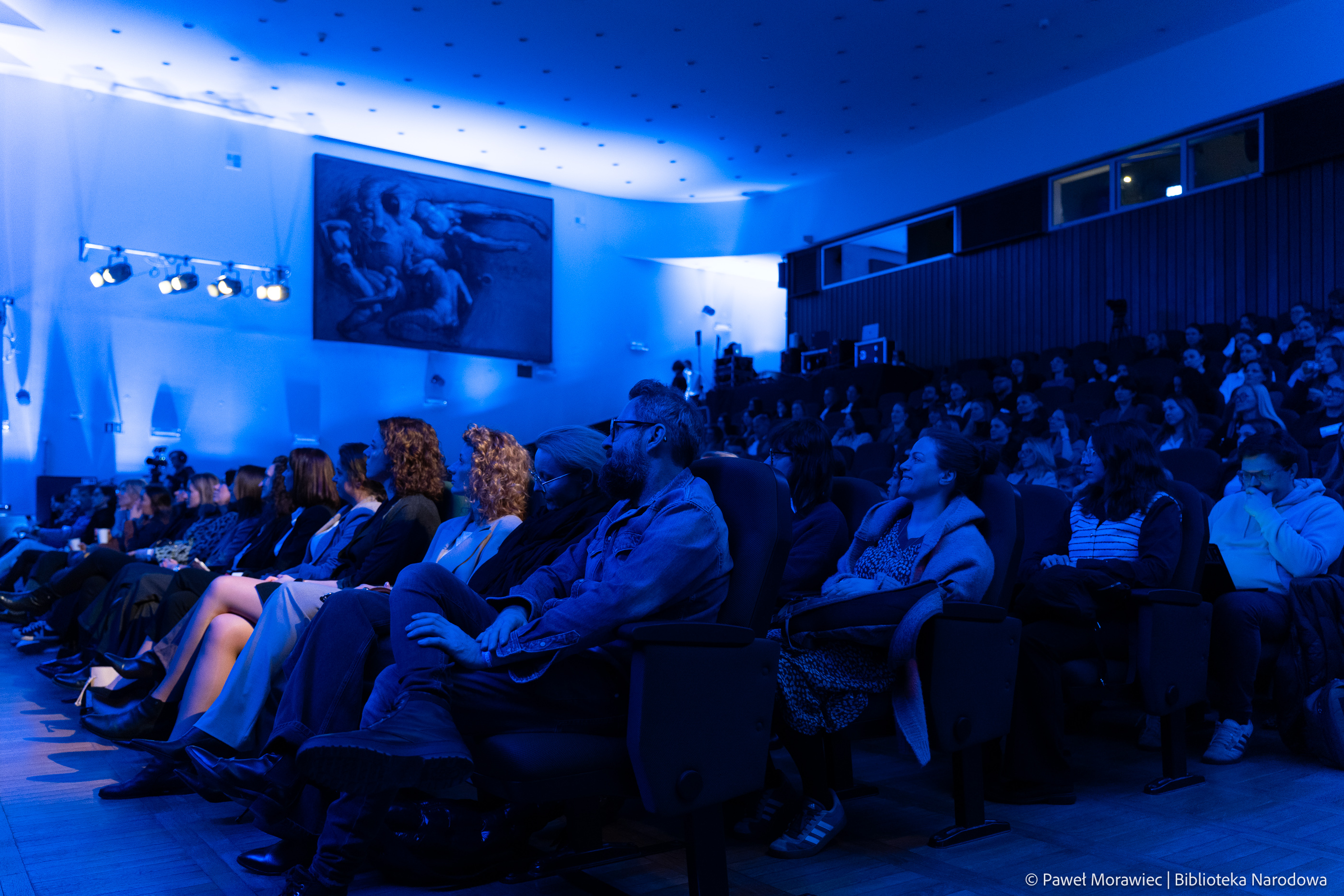
On Friday 20 March 2026, the main building of the National Library of Poland hosted discussions on the relationship between space, the senses and users’ wellbeing. The Neuro Design Forum conference, titled Neuroarchitecture: From Brain to Matter, brought together researchers, architects and designers from Poland and abroad to exchange ideas on design shaped by close attention to human needs. The National Library of Poland was a fitting venue for the event, combining as it does the functions of a place for scholarly work, a public space and a modern cultural institution.
The conference was opened by Dr Tomasz Makowski, Director General of the National Library of Poland, who spoke about the creation of the Library’s reading rooms, their modernisation and how they are used by visitors. He emphasised that for almost 300 years the National Library of Poland has not only provided access to its collections but also created spaces designed for people. As he noted, “Today, in a world of unlimited access to information, we still look for places where we can feel at ease, work in peace and simply be. The success of the National Library’s reading rooms shows how important it is to design with people in mind.”
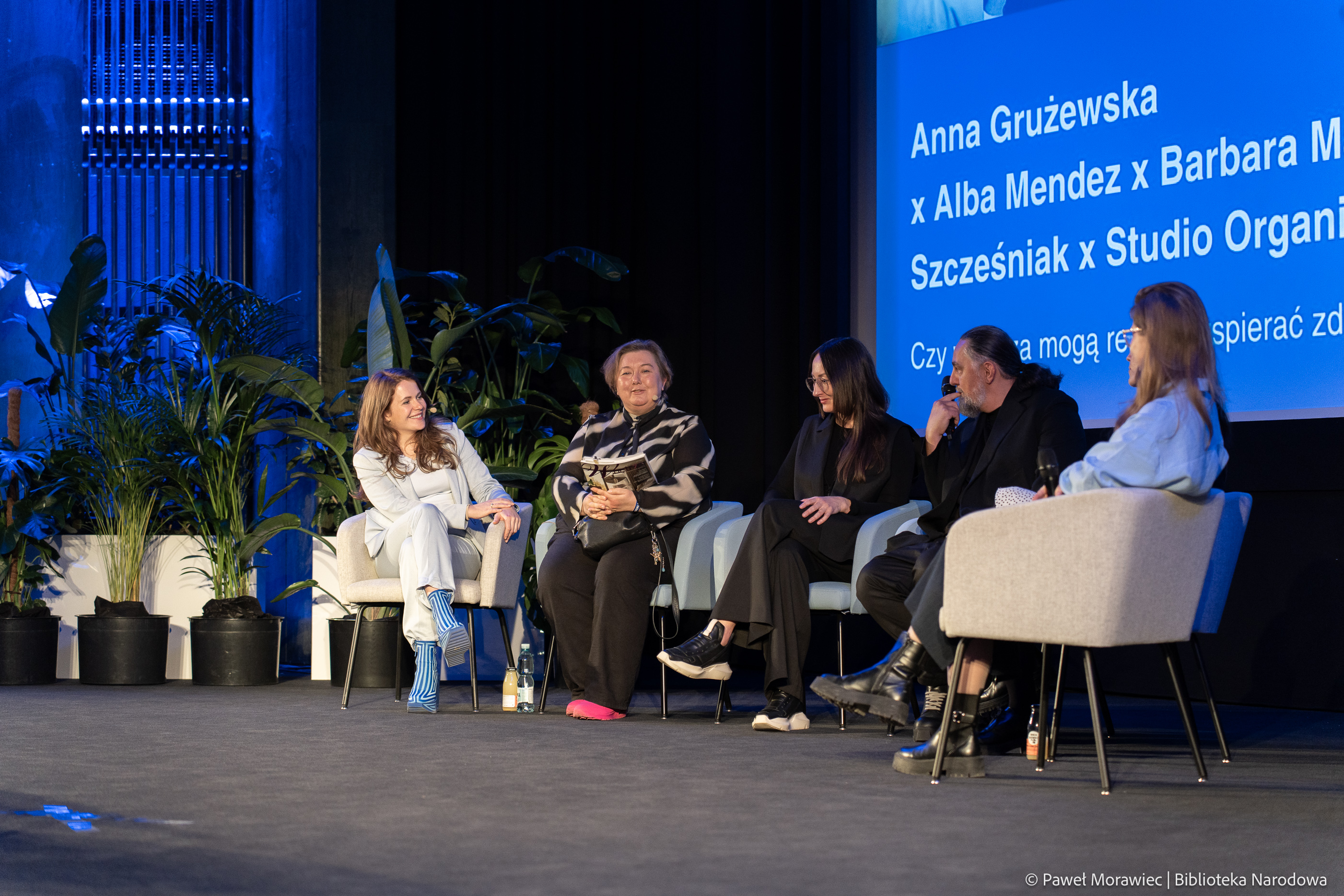
The conference focused on three main themes: neuroscience and the foundations of neuroarchitecture, architecture on a human scale, and the relationship between design, business and products. The presentations and panel discussions explored the impact of space on people, design for neurodiversity, the relationship between mind, body and environment, and the role of interior design in promoting wellbeing and supporting mental health. Another important strand of the conference was how design can respond to genuine user needs and how it shapes everyday experience.
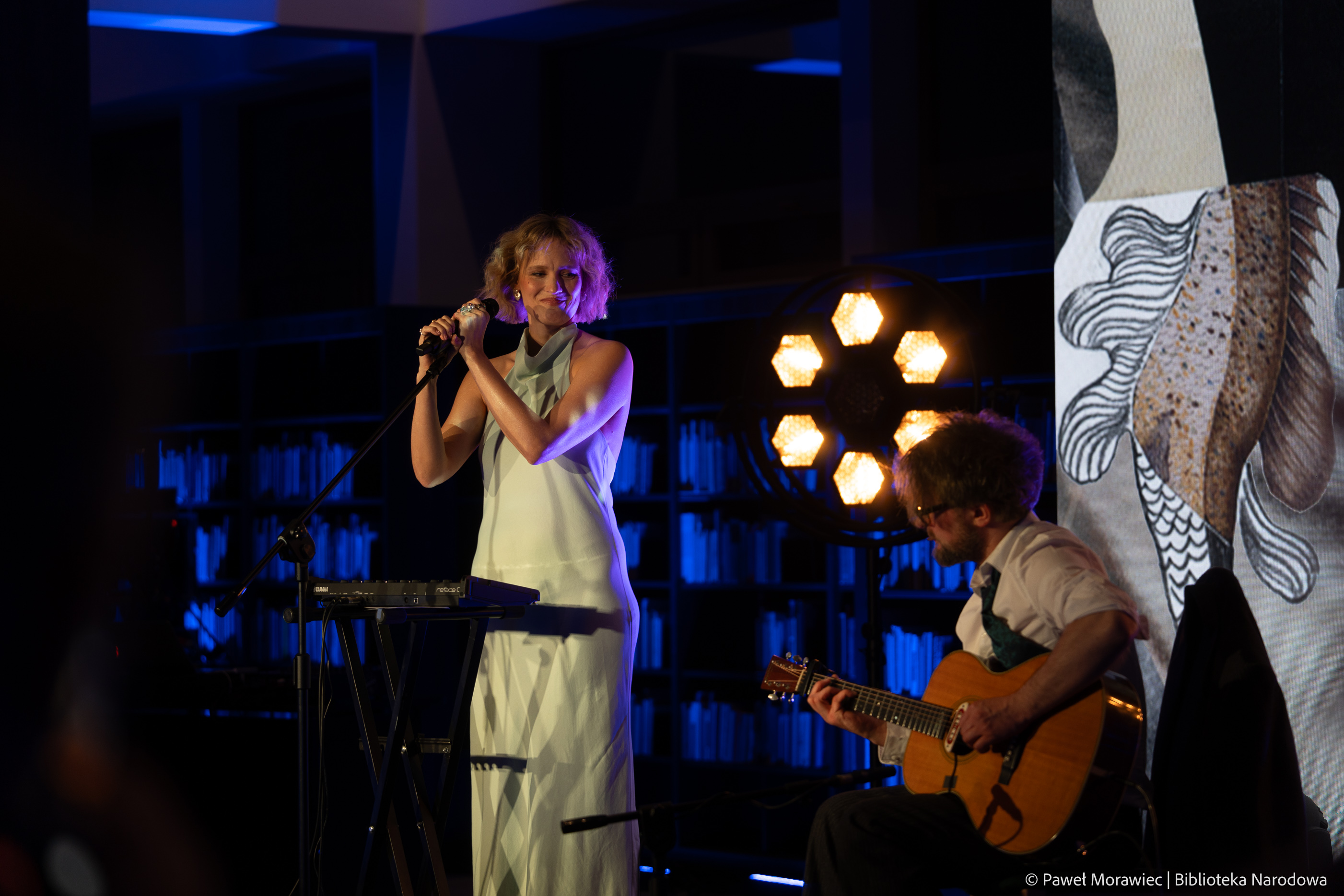
The final session focused on the practical dimension of design – from empathetic business approaches to the question of whether the future of design really begins with the senses. The event concluded with an evening gala in the Załuski Reading Room, accompanied by a concert by Polish singer-songwriter Bovska and the launch of the new magazine Archisnob.
The conference also drew attention to the National Library of Poland’s own reading rooms, which form an important part of how its spaces are experienced. Together, they create an extensive and varied network of places for working with the collections: from the publicly accessible Newspapers & Current Periodicals Reading Room, where current newspapers, journals, the Internet and digital resources can be accessed by everyone – including visitors without a library card – to the specialist reading rooms intended for research. The latter include the Załuski Reading Room, the Rare Books & Manuscripts Reading Room, the Cartographic Reading Room, the Music Reading Room and the Sound and Video Recordings Reading Room. The Library is conceived as a multifunctional space: open, specialist and yet responsive to a wide range of user needs.
Another major strength of the Library’s reading rooms is their accessibility. The building includes an electronic wayfinding support system for blind and partially sighted users, tactile plans are available, and all floors with reading rooms and user workstations are adapted for wheelchair users. In the context of the Neuro Design Forum, with its focus on people, perception and the quality of the environment, this shows that the National Library was not only a suitable host for the conference but an example of an institution that approaches space in terms of comfort, functionality and inclusion.
The modernisation of the Library’s reading rooms has received repeated recognition in prestigious competitions. Honours include the Property Design Award, the SARP Award of the Year in the interior architecture category for the new reading rooms, three awards in the Architectural Competition of the Mayor of Warsaw, and the Accessibility Leader Award.
We warmly invite you to visit the National Library.