Memorabilia from the Gebethner and Wolff Publishing House Donated to the Collections of the National Library
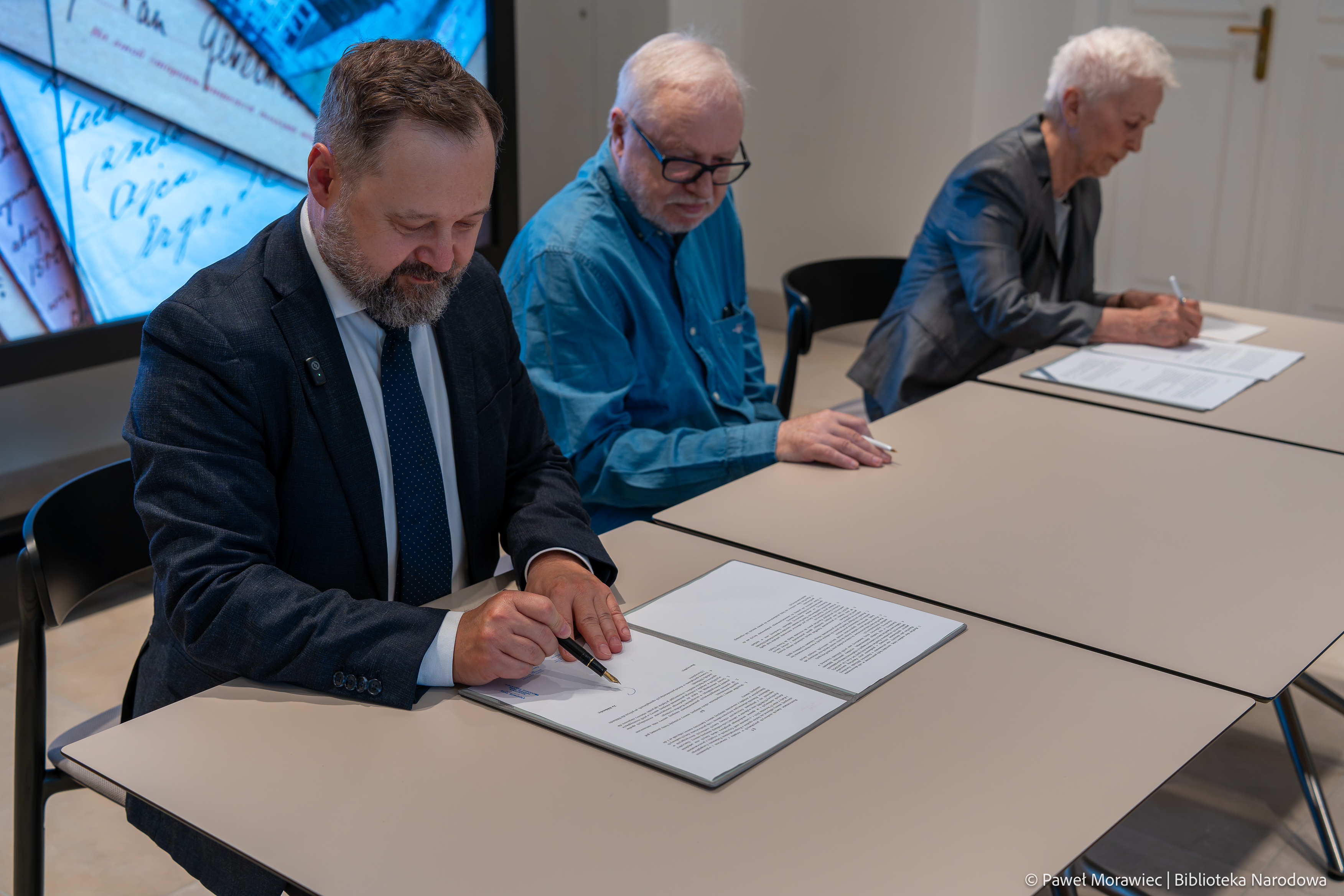
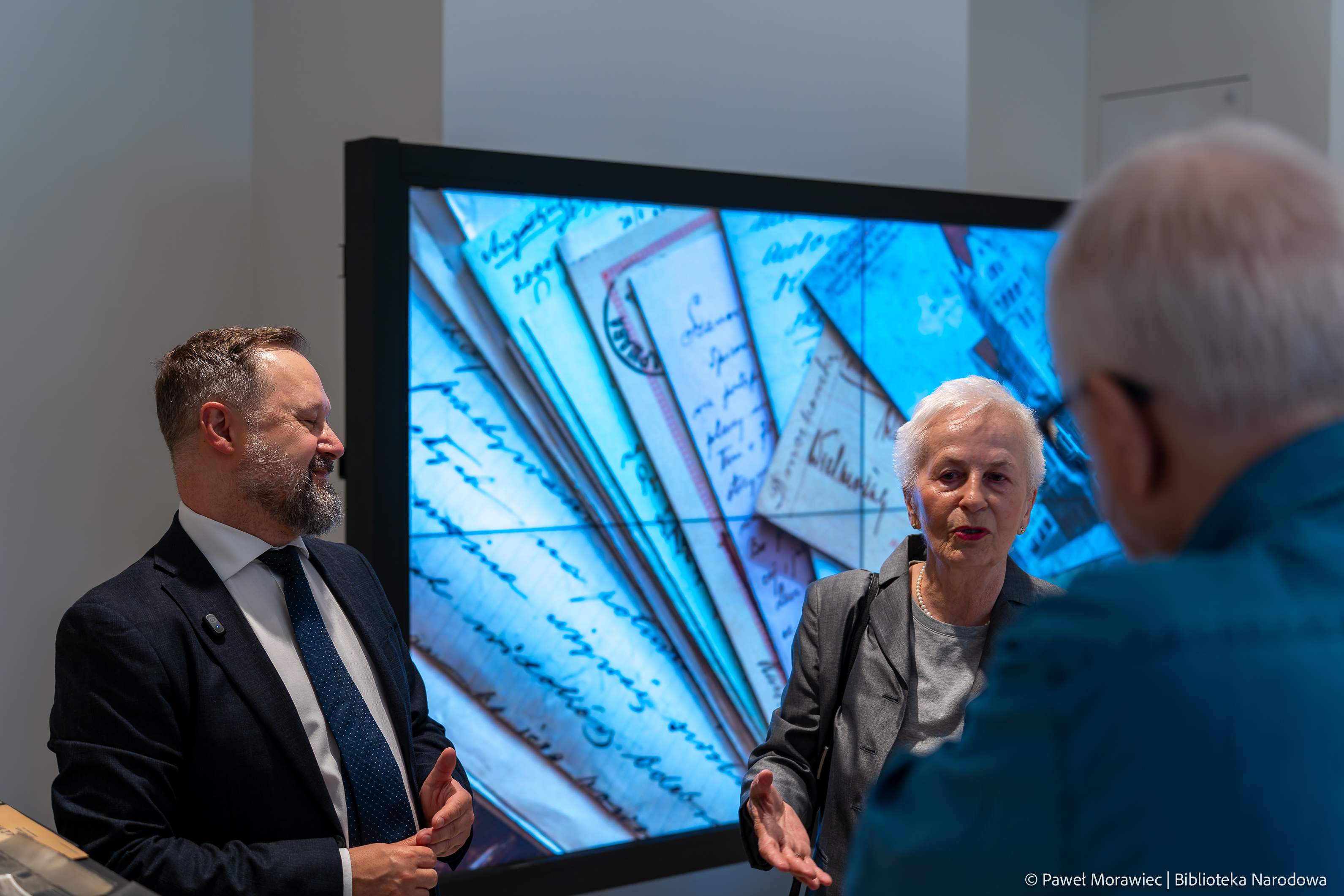
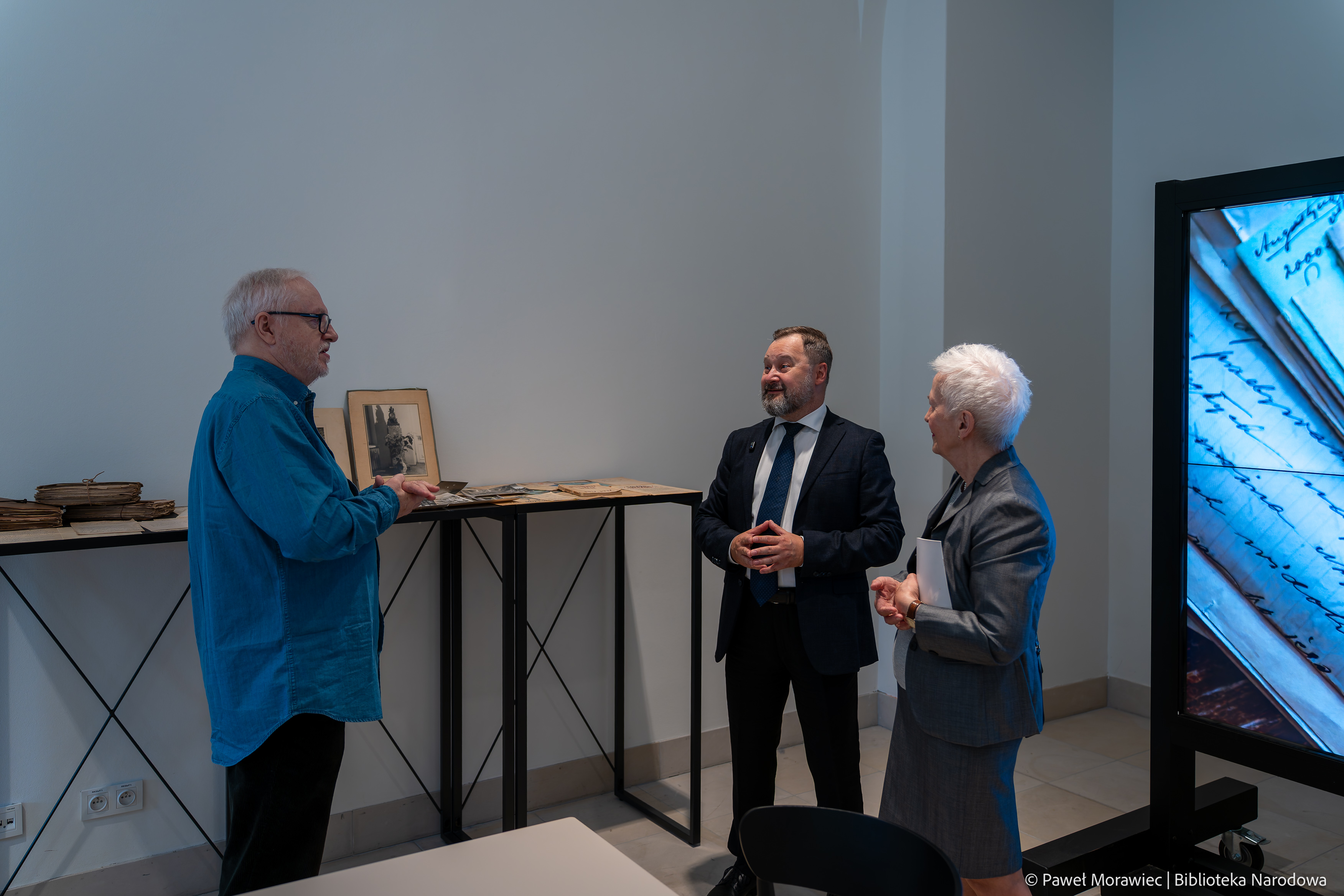
On Monday, 11 May 2026, a ceremonial presentation of memorabilia from the Gebethner and Wolff publishing house to Dr Tomasz Makowski, Director of the National Library, took place at the Palace of the Commonwealth. The valuable materials from the publishing house’s archive and the family archive were donated to the National Library by Emilia and Robert Gebethner.
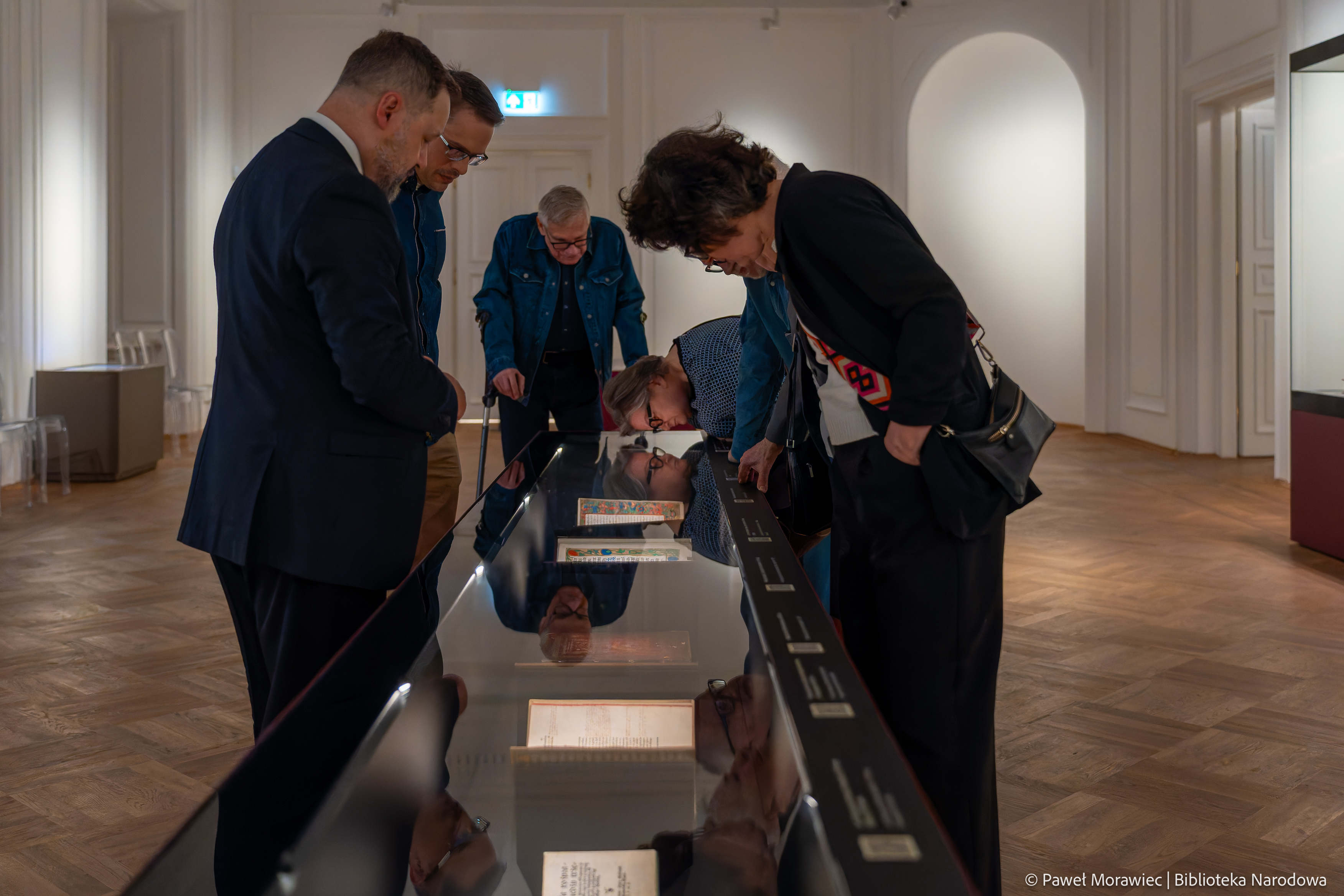
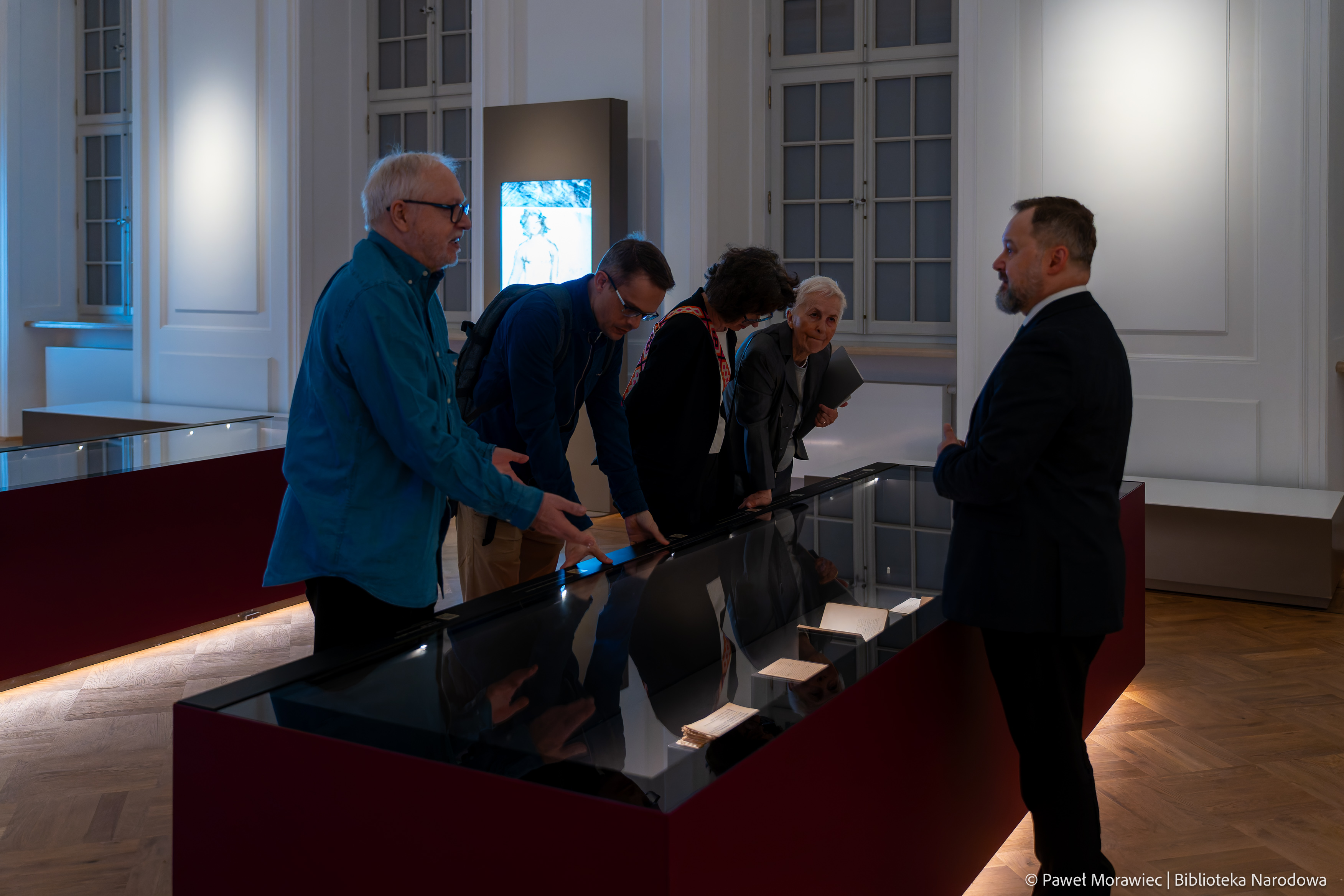
The signing ceremony was held at the Palace of the Commonwealth. The donors and guests also had the opportunity to visit the exhibition of treasures from the National Library.
The Gebethner and Wolff publishing and bookselling enterprise was founded in 1857 by Gustaw Adolf Gebethner and August Robert Wolff in Warsaw. It operated continuously until 1950, when it was dissolved by the communist authorities. Its last owners were Jan Stanisław and Zygmunt Gebethner; Zygmunt Gebethner continued to run an antiquarian bookshop until the 1970s. From 1906, the company’s headquarters were located in the distinctive corner tenement house at 9 Sienkiewicza Street, which was bombed and burned down during the Warsaw Uprising in 1944. Branches of the thriving company were also located outside Warsaw: in Kraków, Lublin, Łódź, Poznań, Zakopane, and even in Paris. Books were distributed both in Poland and abroad.
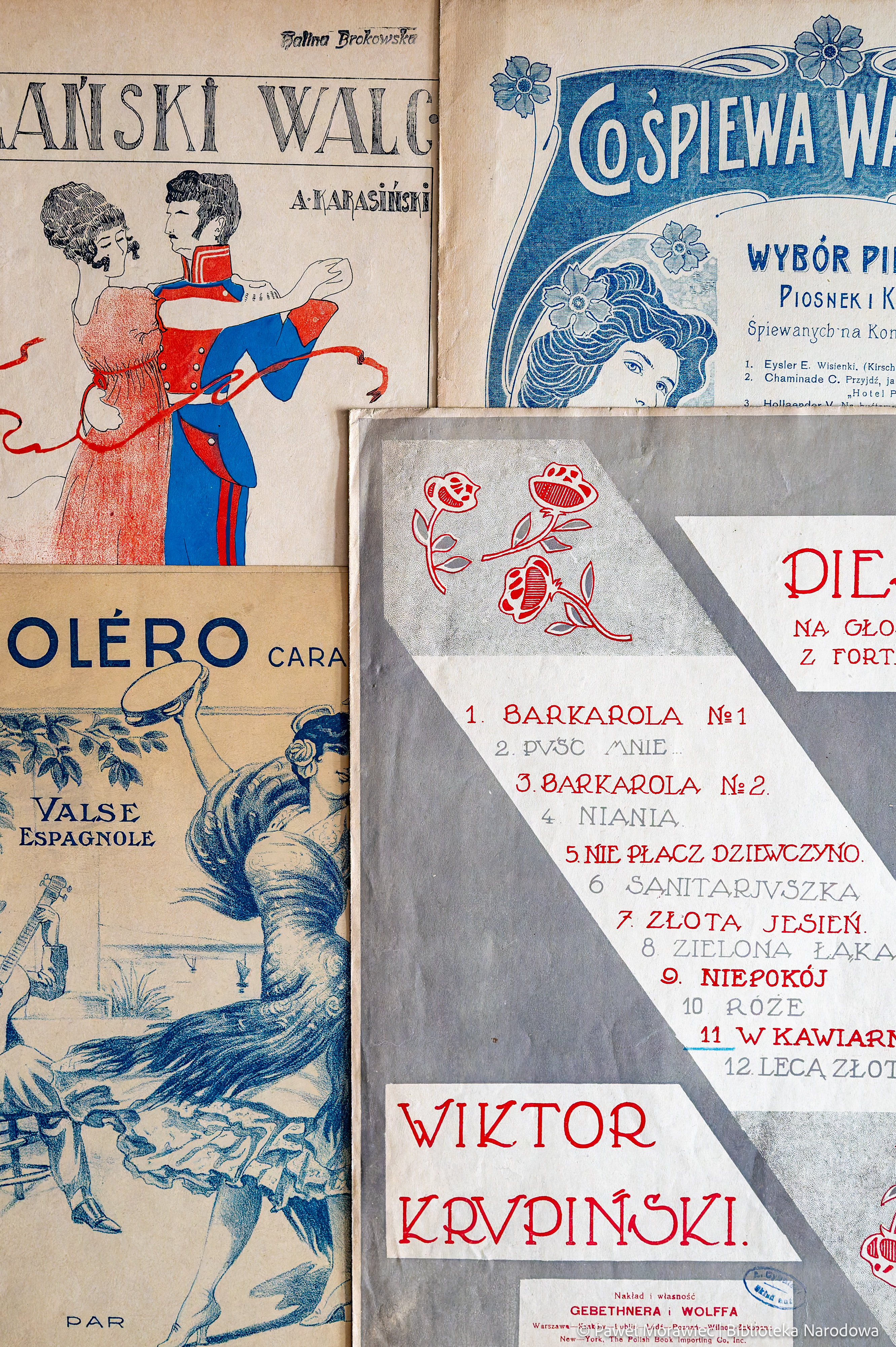
The Gebethner and Wolff publishing house mainly published classics of Polish literature, as well as works by contemporary writers, including Reymont, Orzeszkowa, Prus, Sienkiewicz, Konopnicka, Berent, Iwaszkiewicz and Nałkowska. It was also the publisher of popular periodicals such as Tygodnik Ilustrowany, Kurier Warszawski, Kurier Codzienny and Przegląd Sportowy. In addition, it published musical works, including pieces by Chopin and Moniuszko.
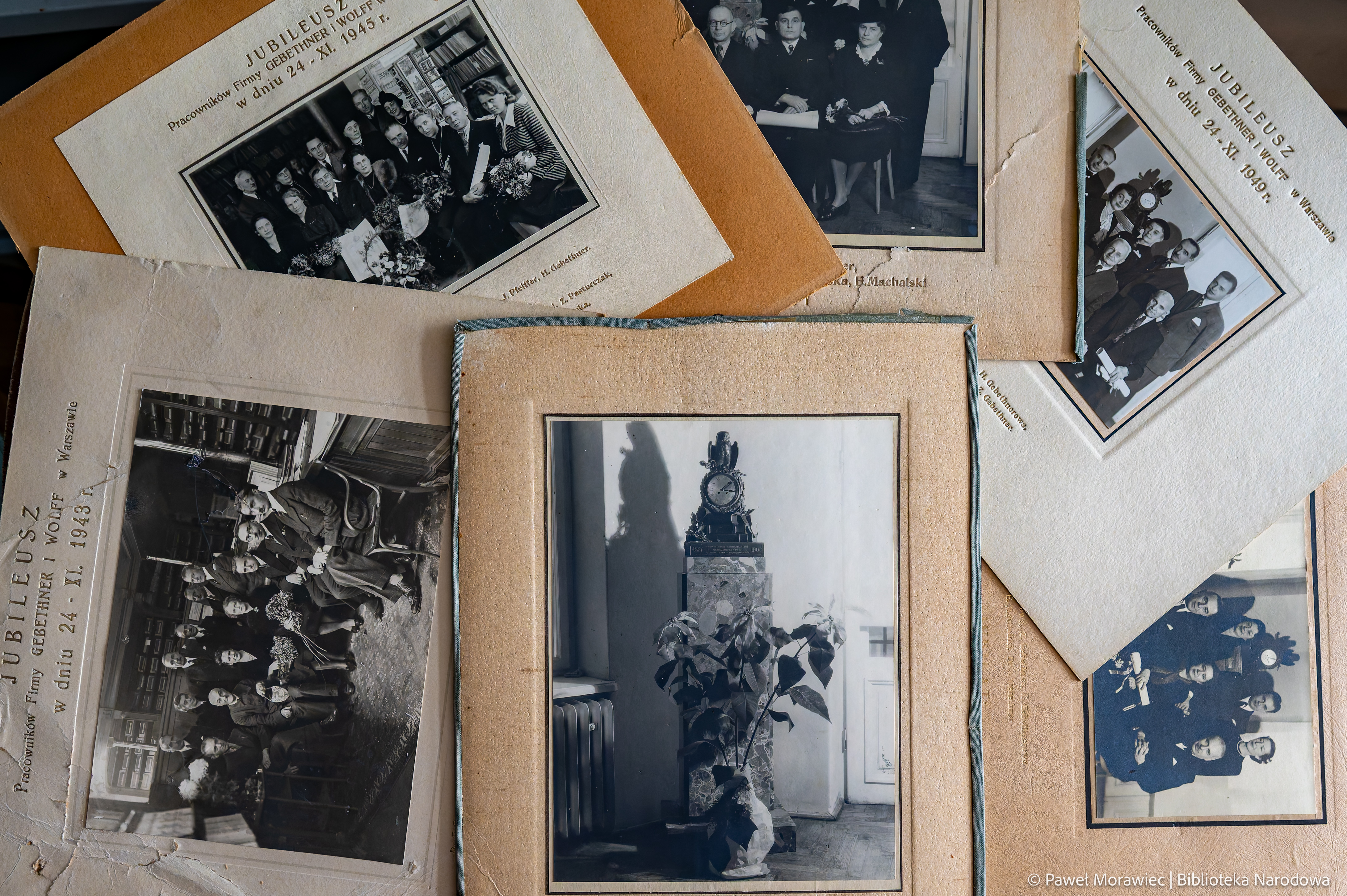
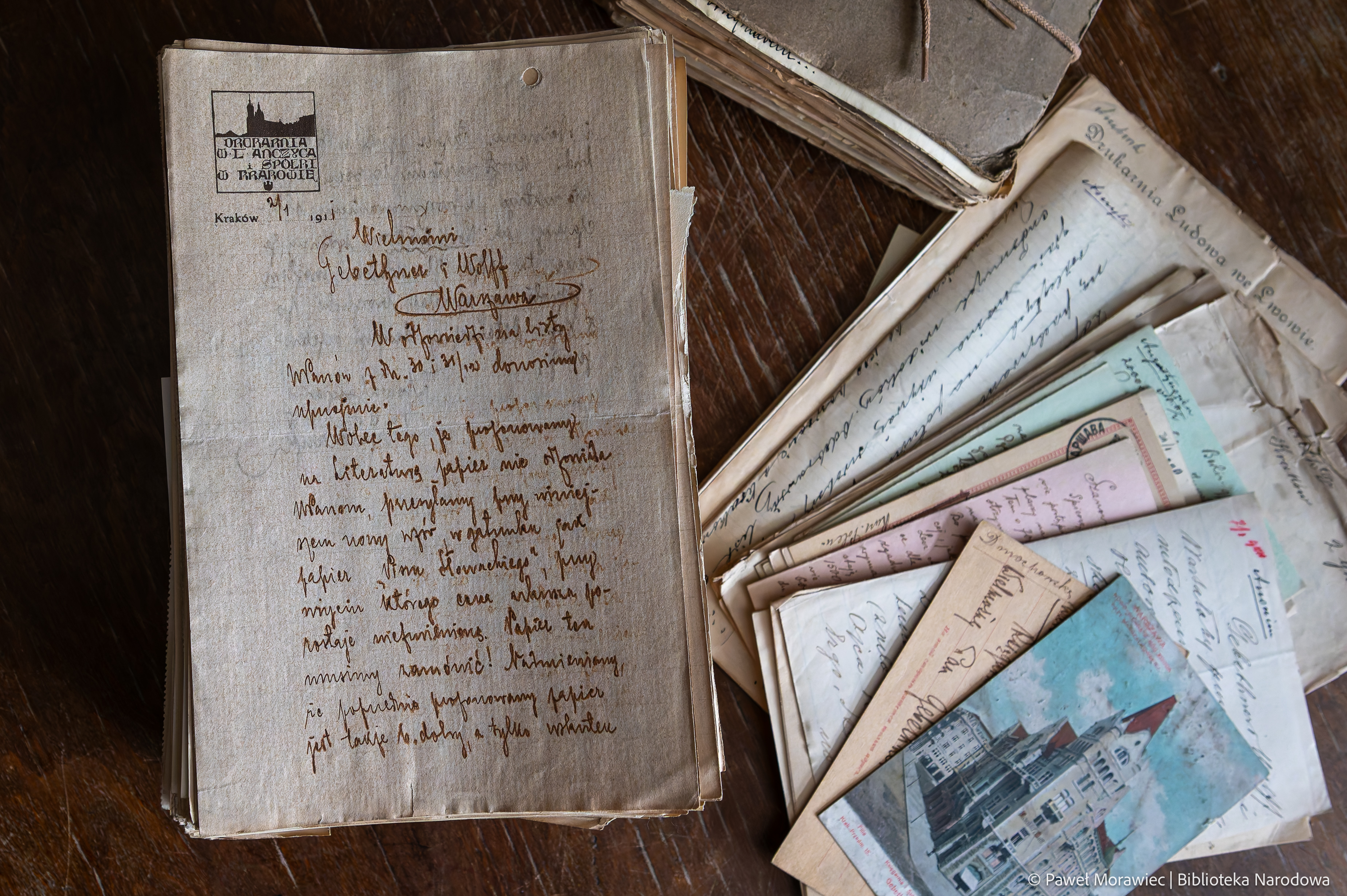
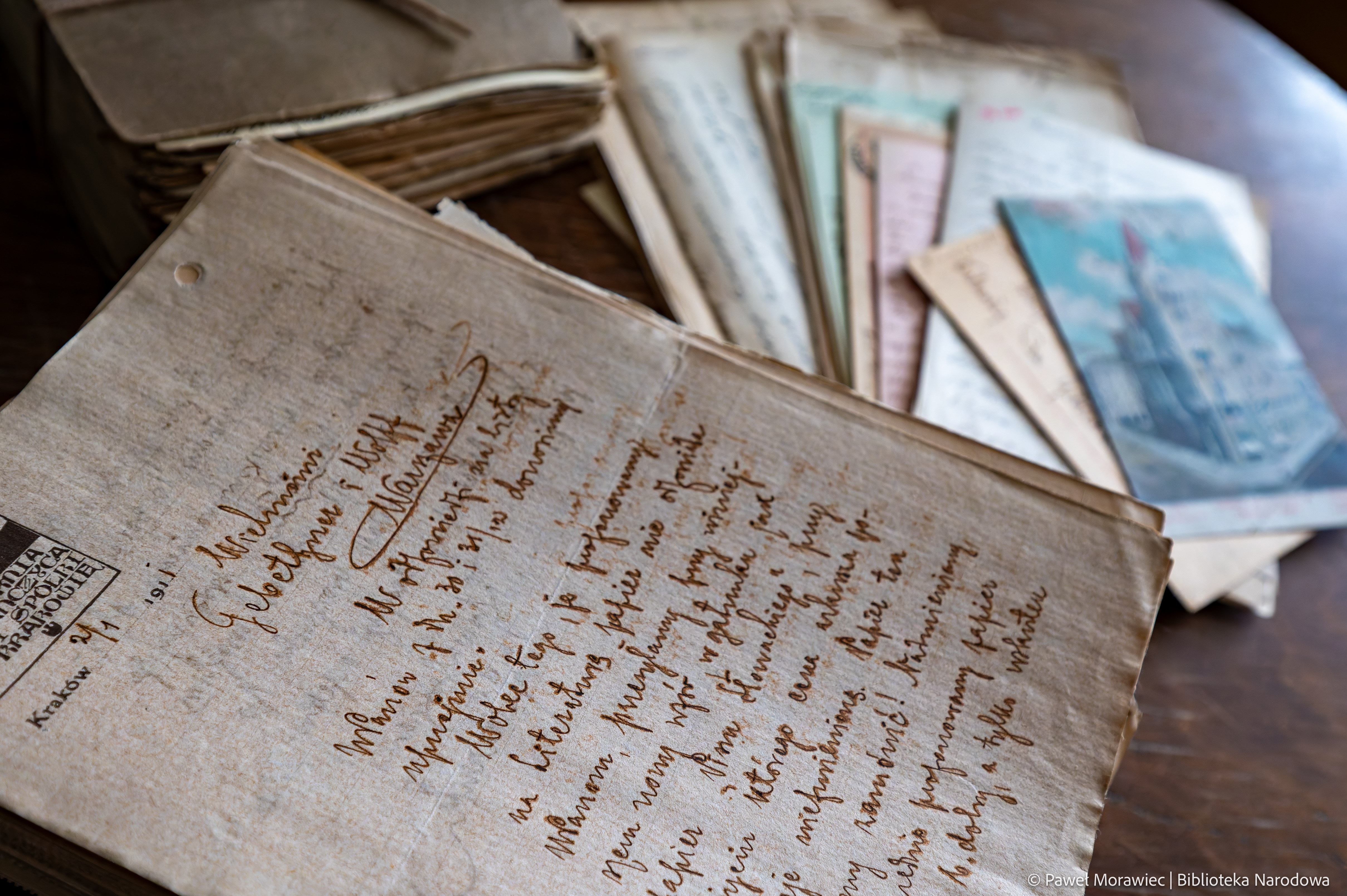
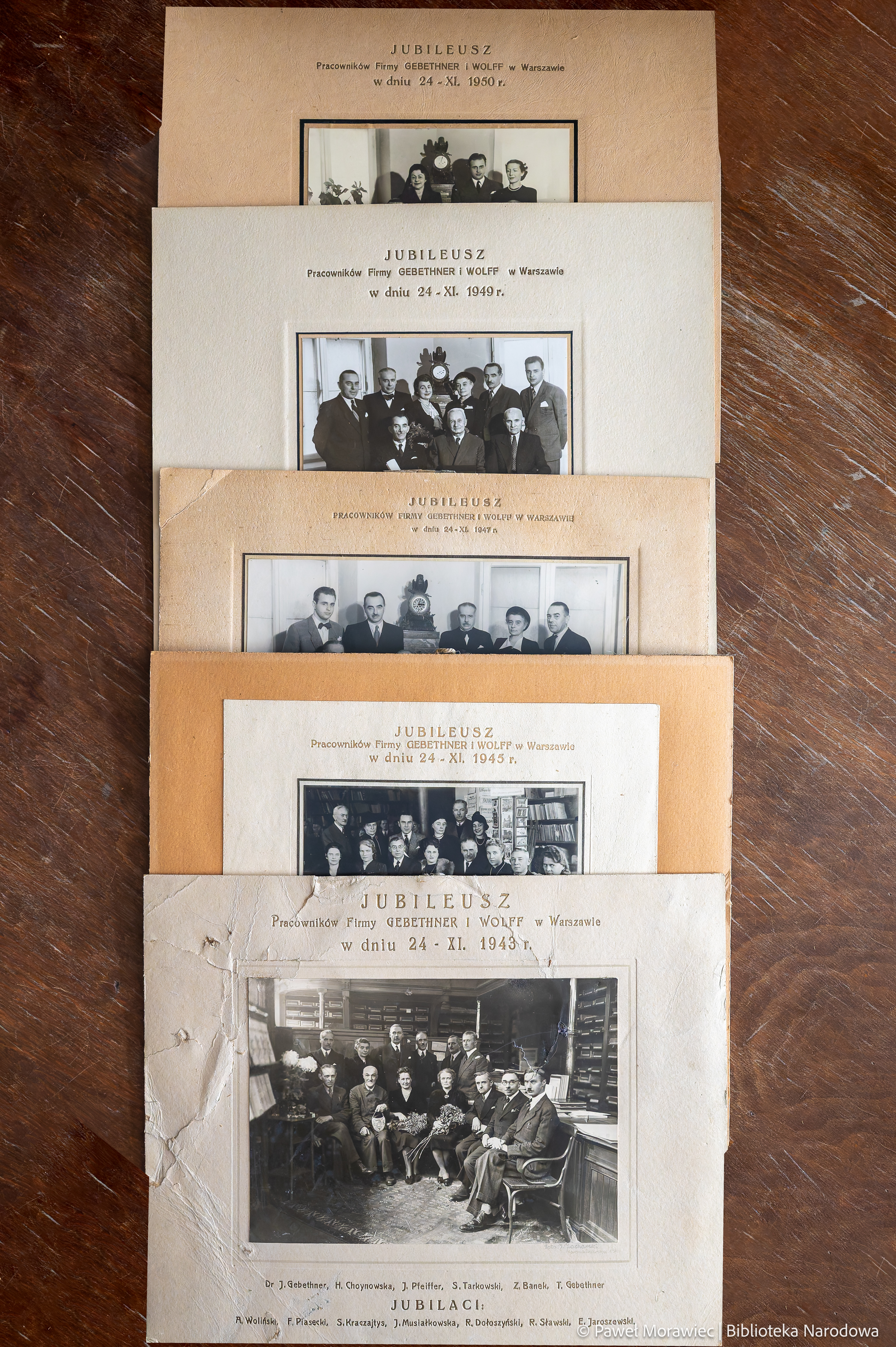
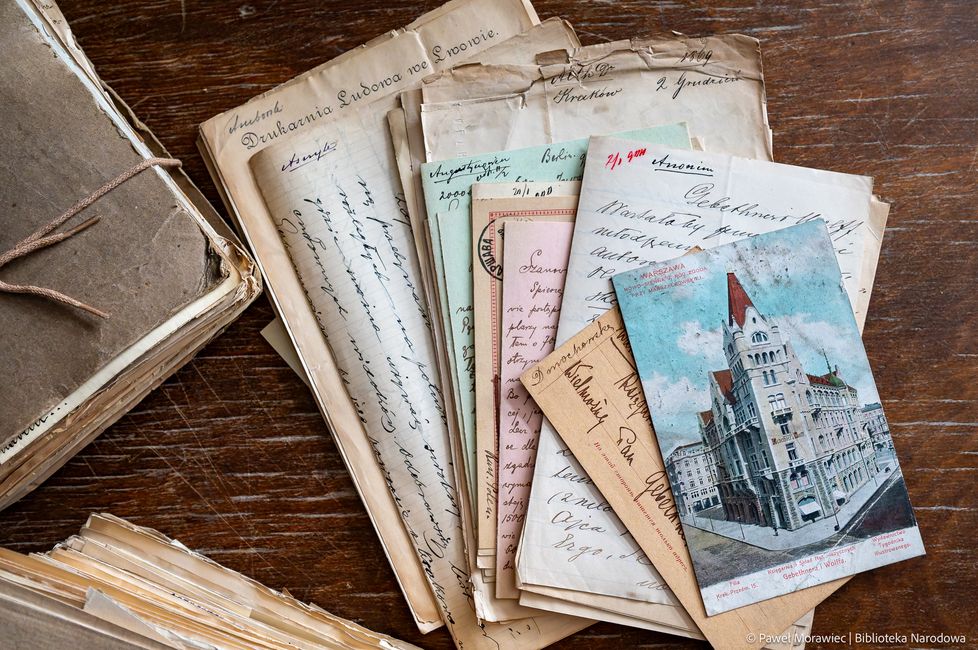
Among the memorabilia from the publishing house preserved by the Gebethner family and donated to the National Library are beautiful pre-war and post-war photographs showing employees and successive anniversaries, the interiors of bookshops, and the owners at work. Particularly valuable is an extensive collection of letters addressed to Gebethner and Wolff by collaborators: authors, booksellers, employees and readers. Notable names include Asnyk, Bełza, Lange, Kraszewski, Matejko, Mickiewicz (Władysław), Nałkowski, Ochorowicz, Odyniec, Przybyszewski, Reymont, Siemieński, Siemiradzki, Świętochowski, Żuławski (Jerzy), Żeromski, Żeleński, Zdziechowski, Zapolska, Lenartowicz, Urbanowska and Weyssenhoff. Also of great interest are catalogues from successive years, including occasional catalogues such as Christmas editions, presenting the publishing house’s wide-ranging offer, as well as advertisements – for example, a prospectus for Tygodnik Ilustrowany promoting Prus’s “Egyptian novel” Pharaoh, published in instalments – and printed music. The materials are accompanied by a small collection of press cuttings from past years concerning the Gebethner and Wolff publishing house.
The manuscript collection of the National Library already includes, among others, the collections of Ludwik Władysław Anczyc, materials from the Mortkowicz family archive, and materials from the archive of Samuel Tyszkiewicz’s publishing house. They have now been joined by memorabilia relating to the Gebethner and Wolff publishing house.