Reading is the foundation of democracy and the economy in the AI era. International "Literacy for Democracy" conference in Warsaw
World-class experts, including neuroscientists, business leaders, and activists, gathered in the historic interiors of the Palace of the Commonwealth to discuss the future of European society. The fourth edition of the international "Literacy for Democracy" conference delivered a clear message. Literacy is not just a cultural matter. It is a critical survival factor for democracy, mental stability, and economic success in a world dominated by artificial intelligence.
The Universal Reading Foundation organised the event as part of a broader initiative promoting reading as a vital future skill – the European Authors' Day celebrations under the #ReadForReal slogan. The meeting provided a space for high-level discussions on today's most pressing challenges. Topics ranged from the resilience of democracy to economic development and the functioning of societies in the AI era. Participants agreed that reading is more than an educational skill. It forms the foundation of critical thinking, information analysis, and social cooperation.
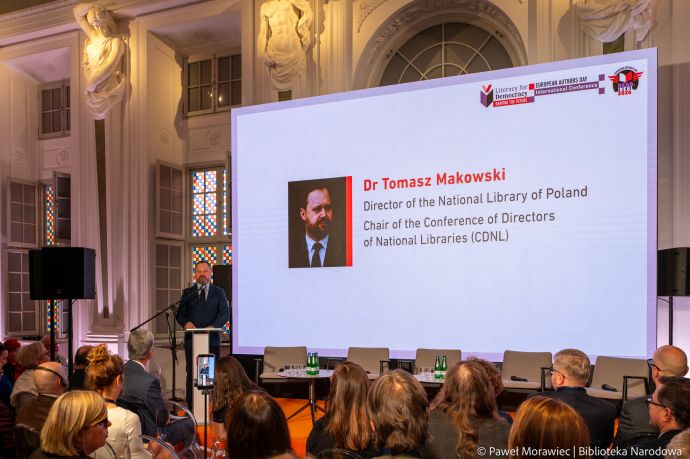
Opening the conference, Dr Tomasz Makowski, Director of the National Library, said, among other things: "Over the coming few days, you will discuss reading and literacy as essential conditions for active participation and society. Reading opens doors to aspirations – for both the young and the old. This is profoundly important at the dawn of an era marked by loneliness, affecting both: the young and the old. We are born illiterate. It is reading that enables us to live more fully and more consciously. It reduces anxiety and allows us to imagine lives and possibilities beyond the limits of our own experiences. Let us also remember the role of libraries in preserving cultural heritage in all its forms, traditional, historical, indigenous and the contemporary, as you can see in this Palace. Library is a place of safety, reassurance, community, rest, regeneration, calm, learning and solidarity. It offers access to knowledge, wisdom and beauty. In other words, it is a cornerstone of every civil society. Not merely a window into the past, but the tool of modernisation."
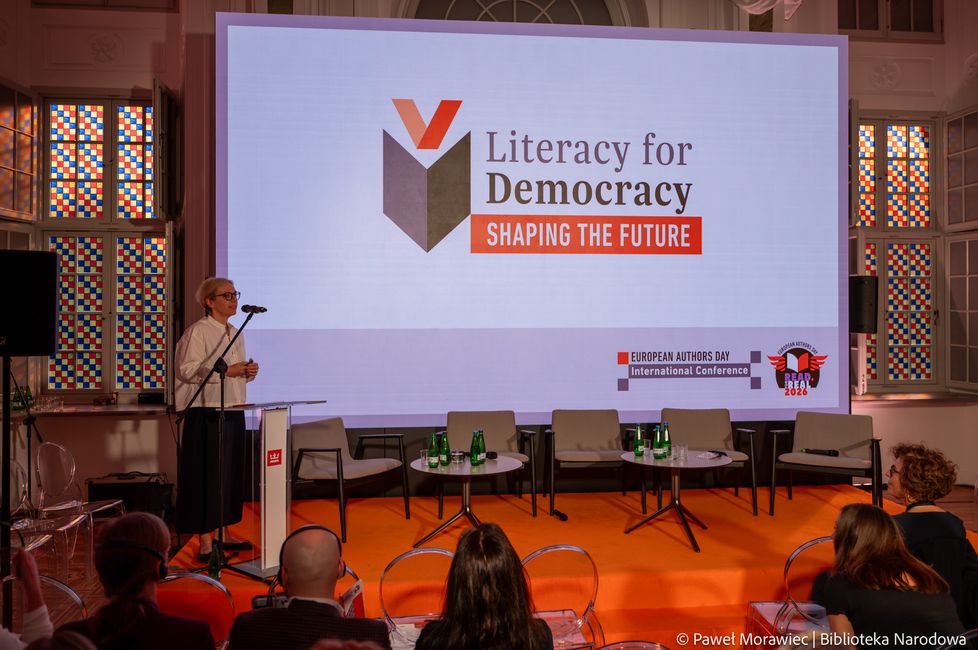
Maria Deskur, CEO of the Universal Reading Foundation, highlighted this in her opening remarks: "Literacy is so much more than we think. We cannot be indifferent to it or take it for granted. The ability to read, and reading itself, is something we must nurture in everyone from birth. Shaping the future of individuals and society as a whole depends on it." The event brought together renowned experts from Poland and abroad. Participants included representatives of European institutions, reading organisations, academia, science, and business. The programme featured debates and presentations that fostered mutual inspiration and the exchange of best practices.
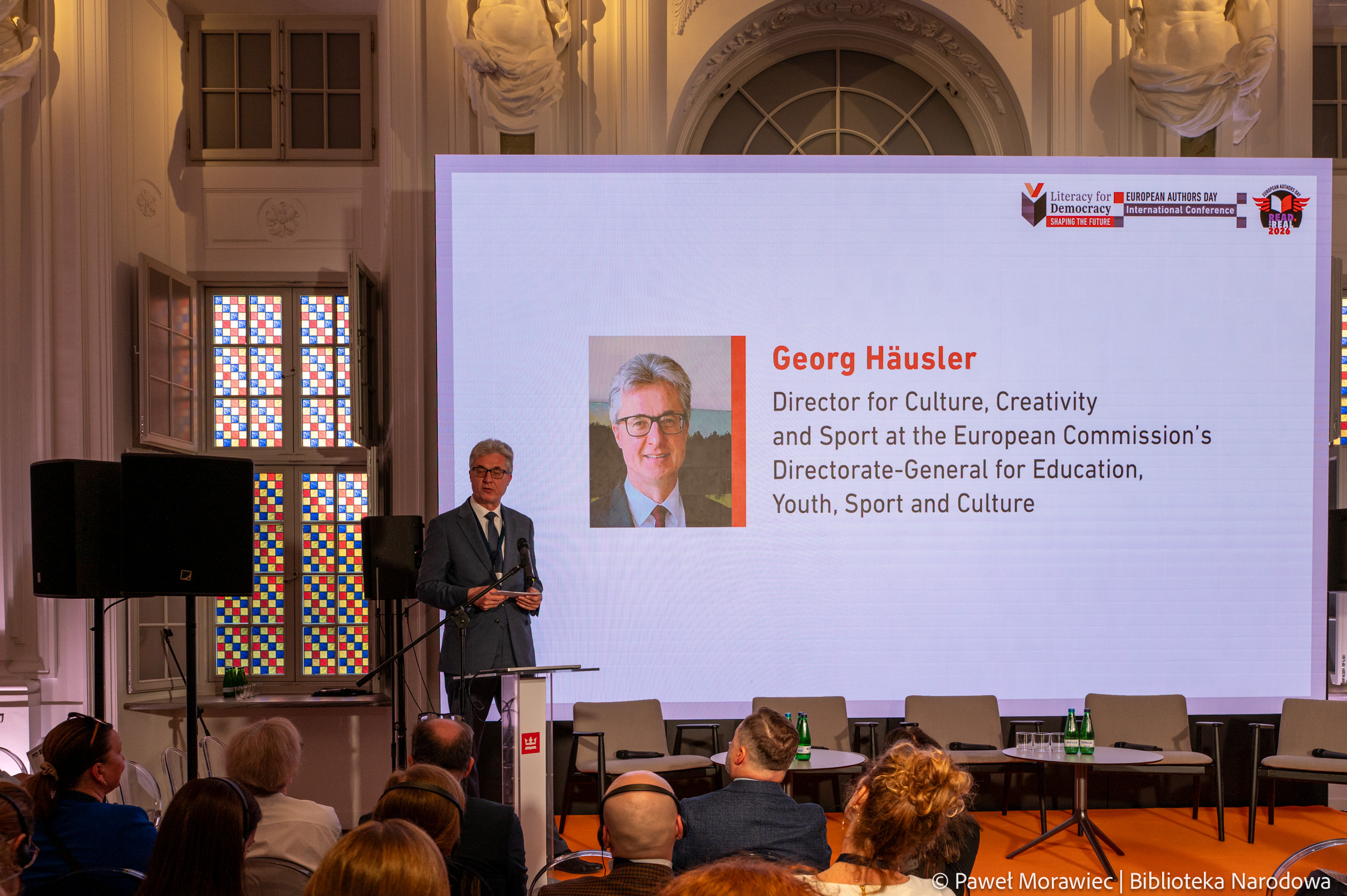
Georg Häusler, Director for Culture, Creativity and Sport at the European Commission, emphasised the importance of books: "Books shape citizens with critical minds. Europe needs these citizens today to bring people together and create a shared space. We believe reading is the primary tool that provides these skills. However, we see a worrying trend regarding literacy. We are trying to find the source and respond. We must highlight the human element in reading and books. This is the purpose of the annual celebration of the European Authors Day." The initiative has been organised since 2023. Since last year, it has taken place from 11 November to 12 December under the #ReadForReal slogan and has been coordinated by an international consortium of seven reading organisations led by the Universal Reading Foundation.
“The written word is more than a set of symbols – it is a tool of freedom. […] By supporting the Universal Reading Foundation, we support an ecosystem in which knowledge is respected and creators are valued. This is our shared contribution to building a resilient and thoughtful society,” said Zbigniew Czerwiński, President of the Stowarzyszenie Autorów i Wydawców COPYRIGHT POLSKA, a strategic partner of the conference.
CHALLENGES OF THE FUTURE: Reading for the brain in the AI era
The central focus of this year’s summit was a debate on the role of reading skills in a time of rapid technological development. Experts emphasised that, in the age of AI capable of imitating human communication, distinctly human abilities – such as critical thinking, empathy, and the capacity to build relationships – are becoming the most valuable currency. The ability to read shapes our brains in ways that make them innovative, resilient, and capable of independent thought. It is the foundation of every educational process and an essential tool for functioning in a democratic society – the experts agreed.
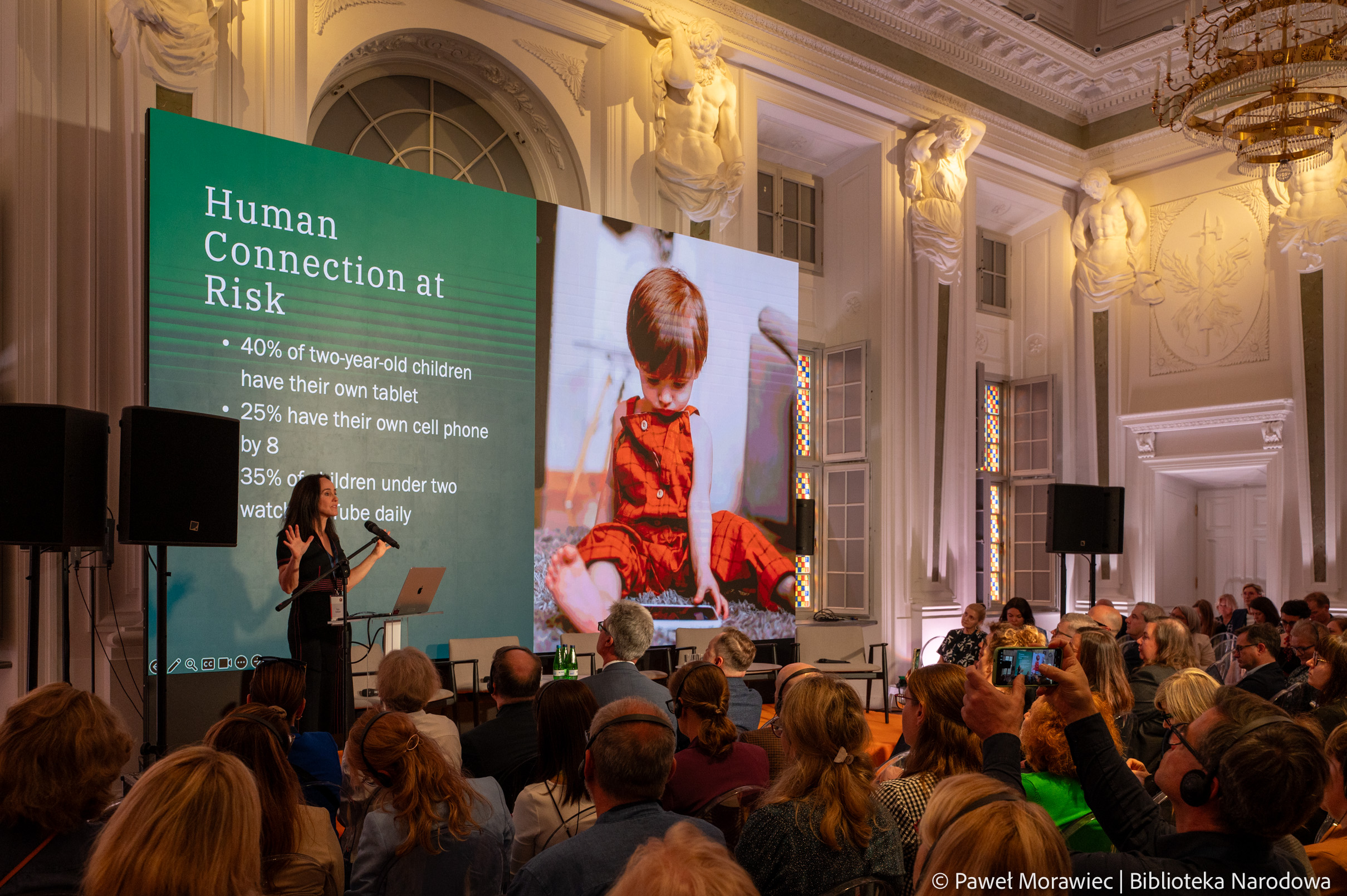
Dr Dana Suskind from the University of Chicago Medical Center presented the “Human Raised” concept. She emphasised the importance of humans raising humans and highlighted the dangers posed by the “word gap” and excessive screen time for young children. “Human connection is irreplaceable. Face-to-face interaction provides exactly the kind of neurobiological nourishment a child’s developing brain needs. AI may imitate the keys to our social gates, but it will never replace the fundamental biological need for human contact during development,” she explained.
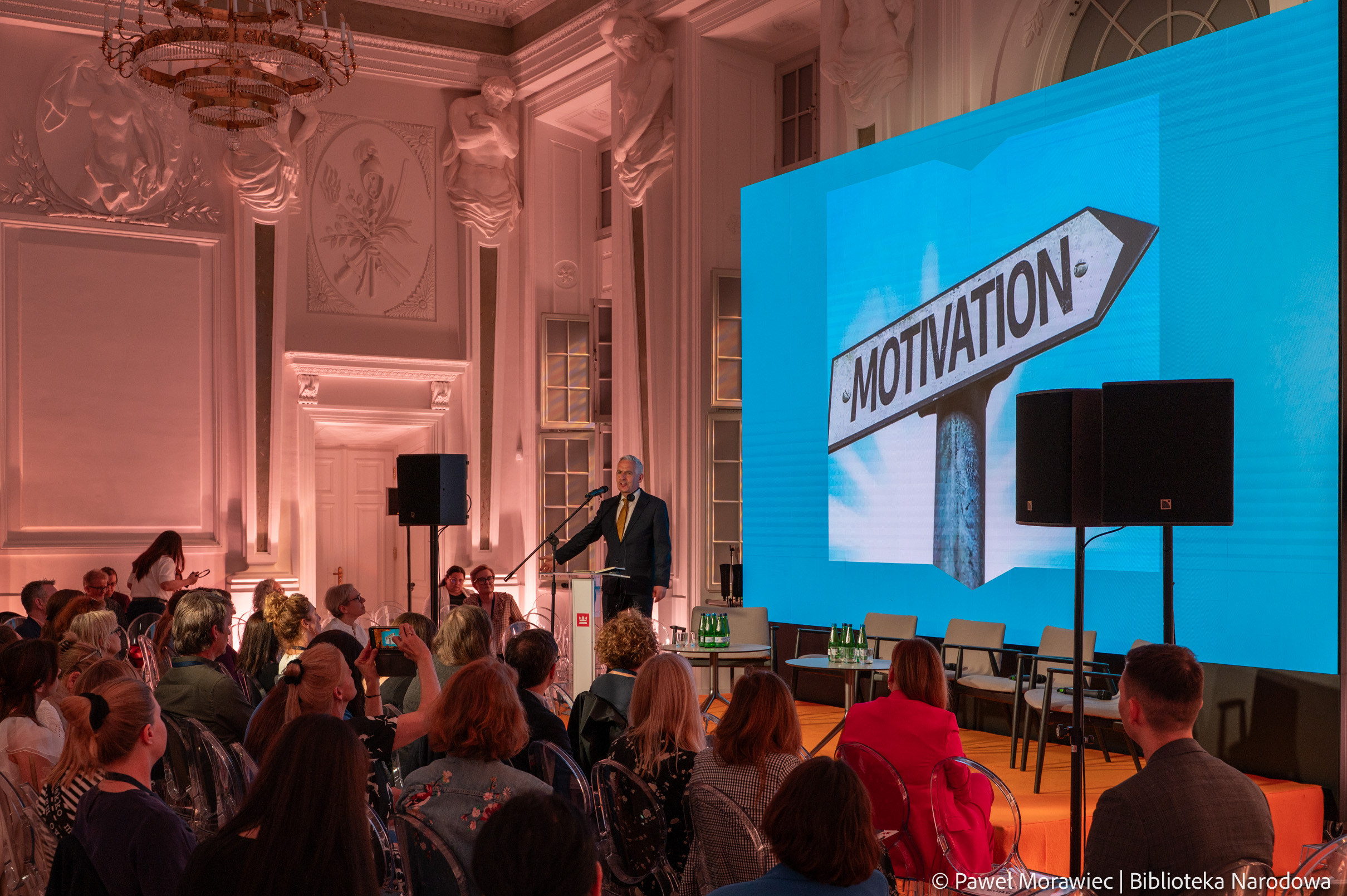
Business representatives emphasised the potential of AI as a driver of growth and productivity, while also highlighting that the effective use of AI tools requires strong reading literacy, comprehension, and critical analysis of texts. They also pointed to the economic dimension of supporting early reading as an investment in human capital that delivers a tangible return.
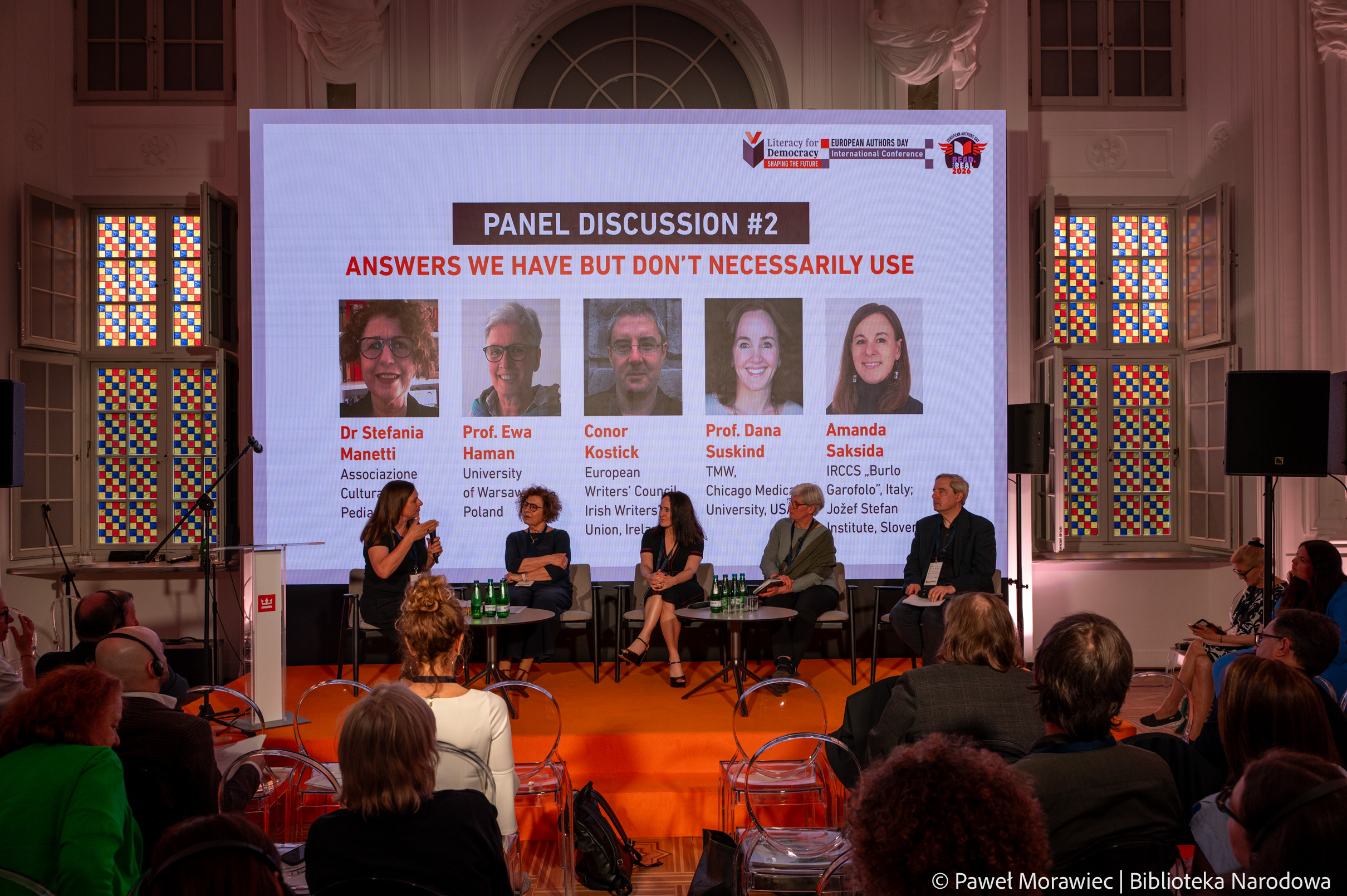
The answers we already have
The second part of the conference highlighted the importance of the architecture of the human brain in the early stages of life, when as much as 85% of its volume is formed. This is a fundamental process that takes place in early childhood and has an impact on future adult life. Dr Stefania Manetti, an Italian paediatrician, presented evidence that reading to a child from the very first days of life is an act that helps stabilise an infant’s nervous system and build lasting bonds. She shared the experiences of the Italian organisation Nati per Leggere, which, through initiatives engaging the medical community, has achieved a significant increase in the proportion of families reading to their children at least four times a week — from 16% to as much as 39%.
The Universal Reading Foundation implements a similar approach through its “Book on Prescription” programme, distributing books and training doctors. Prof. Ewa Haman described the progress made, saying: “We are working to involve paediatricians on a large scale. We still have a long way to go, but an important step forward is a new chapter in the Practical Medicine textbook for paediatric students in Poland. It shows how important early reading and talking to a child really are.” She added that reading together enriches a child’s language environment in a unique way.
The panel discussion was devoted to an in-depth analysis of available scientific evidence and its practical application in reading promotion initiatives. The key to success is not simply “distributing books”, but building stable, safe relationships based on interaction with another person, which protects the child’s brain. One of the main conclusions was that effective interventions must be holistic and interdisciplinary, combining science, medicine, culture, and education.
The best solutions and how to scale them
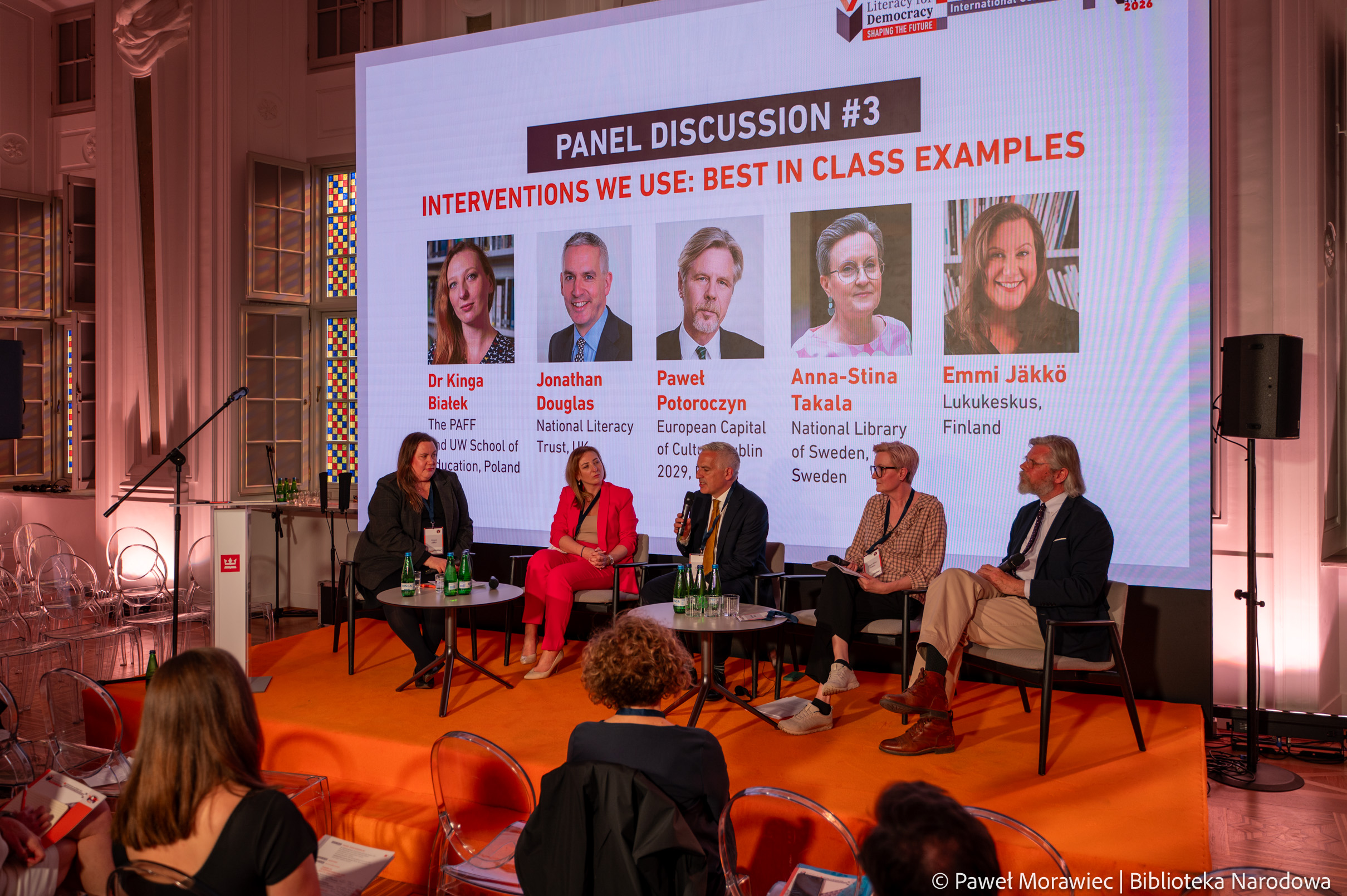
The conference also served as a platform for exchanging model solutions from across Europe. Part of the discussion focused on systemic approaches aimed at revitalising reading culture on a national scale. Examples from the United Kingdom and Sweden were presented. The first highlighted the experience of the National Literacy Trust and the organisation of a National Year of Reading, which treats reading as a matter of public health and social justice. It combines the promotion of reading for pleasure with current national and global events, and reaches out to citizens in local communities where they are actually present and active.
Anna-Stina Takala from the National Library of Sweden presented the Scandinavian approach. She detailed last year's groundbreaking school library reform. Under the new law, every child must have access to a library run by a qualified librarian. Sweden views this as a requirement for a successful education system.
Their insights were shared by Dr Kinga Białek (School of Education of the Polish-American Freedom Foundation and the University of Warsaw), Paweł Potoroczyn, and Emi Jäkkö from the Finnish organisation Lukukeskus, which runs the “Book Bag for Every Newborn Child” initiative that has significantly popularised shared reading in homes.
Local communities are at the heart of Lublin’s activities. Reading, culture, social capital, and intellectual capital all shape one another. On a practical level, this means reaching out to communities wherever the need arises. Men read less than women, so we look for them where they gather — on sports fields, in recreational spaces — bringing book clubs to parks, pubs, or stadiums. — said Paweł Potoroczyn, Director of European Capital of Culture Lublin 2029, speaking about the city’s local engagement in the nationwide campaign #ReadingDad, implemented by the Universal Reading Foundation.
Jonathan Douglas confirmed the effectiveness of this approach based on the UK's experience. "A community-based approach is vital to changing the reading culture across society. Evidence shows that real, lasting change comes from working at the community level through local partnerships, without waiting for central decisions."
Dr. Kinga Białek spoke about a reading society as a living ecosystem. "It is not just about access to books. It is about access to people – passionate readers who actively invite non-readers to join them. Schools and libraries are a crucial part of this system."
The panel offered a dynamic space for exchanging experiences and inspiration. Participants shared best practices and showed how to turn ideas into concrete actions.
The discussion encouraged a mindset shift. It pushed for openness to innovation, testing new strategies, and building reading promotion approaches that deliver measurable results. A major takeaway from the meeting was the need for cross-sector collaboration. Discussions made it clear that no single sector — whether education, business, or government — can tackle the challenges of digital transformation and AI alone.
Reading today is a fundamental requirement for active participation in society and a cornerstone of modern democracy. It is not just a school subject; it is a process that physically shapes brain architecture, creating the necessary foundation for future learning, logic, and memory. Reading is a biological necessity, not a luxury. It provides the unique soil from which essential civic skills grow, such as empathy, cooperation, and moral judgement — skills we desperately need in the age of artificial intelligence.
The organisers announced they will continue their efforts through annual "Literacy for Democracy" conferences. Their goal is to shift how we think about reading, moving it from a narrow educational skill to a strategic social, economic, and democratic resource.