Żywot Pana Jezusa Krysta
Baltazar Opec, Żywot Pana Jezu Krysta
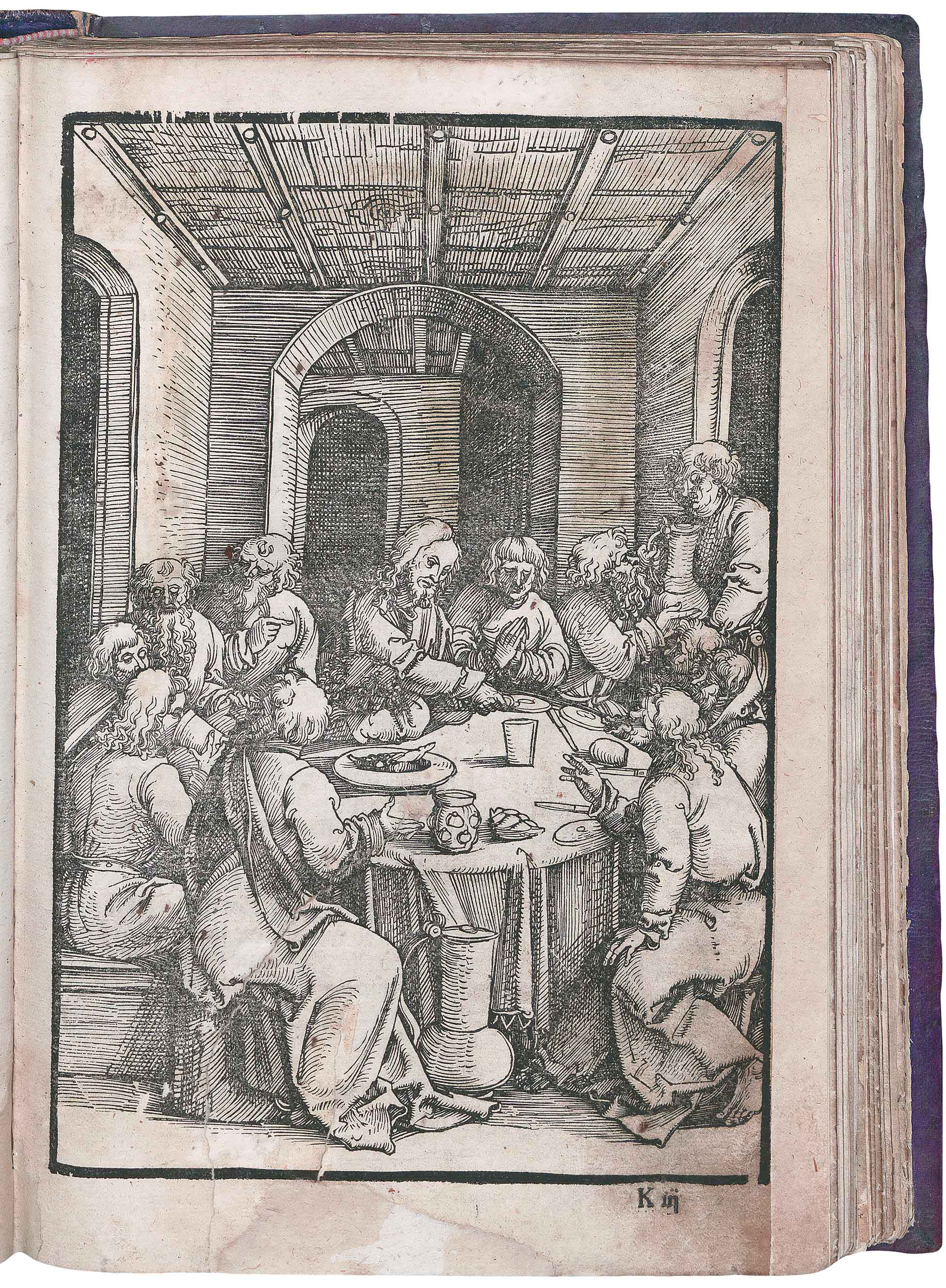
Najstarsza zachowana w całości książka drukowana w języku polskim. Żywot autorstwa Baltazara Opeca, wydany w 1522 roku, stanowi przeróbkę dzieła przypisywanego św. Bonawenturze Meditationes vitae Christi (Medytacje o życiu Chrystusa). Tekst, nawiązując do wzorów hagiograficznych, rekonstruuje biografię Jezusa, łącząc tekst biblijny z wątkami apokryficznymi. Żywot zawiera także pieśni oraz moralizatorskie i kaznodziejskie teksty. Intrygująco napisany i skompilowany, obejmuje między innymi falsyfikat listu Piłata do cesarza, w którym namiestnik pisał o Jezusie, czy fragment Rozmyślania przemyskiego. Księga zawiera też 39 całostronicowych drzeworytów autorstwa Hansa Leonharda Schäufeleina, niemieckiego malarza, rysownika i grafika z kręgu Albrechta Dürera. Prezentowana grafika przedstawia scenę Ostatniej Wieczerzy.
Egzemplarz należał do Biblioteki Ordynacji Zamojskiej, a po II wojnie światowej trafił wraz z jej zbiorami do Biblioteki Narodowej. Jest jednym z kilku zachowanych do dziś. Obecnie BOZ jest własnością BN.
Zobacz obiekt online w bibliotece cyfrowej polona.pl.
Baltazar Opec, The Life Of The Lord Jesus Christ
The oldest entirely preserved printed book in Polish. This treatise by Baltazar Opec, published in 1522, is a reworking of a com - position traditionally attributed to St Bonaventure, Meditationes vitae Christi (Meditations on the Life of Christ). Following hagiographical models, the text reconstructs the biography of Jesus, combining the biblical text with apocryphal themes. The biography also includes hymns, moralistic texts and sermons. Intriguingly written and compiled, it includes among other things an invented version of Pilate’s letter to Caeser about Jesus and an excerpt from the Przemyśl Meditation. It also features 39 full-page woodcuts by Hans Leonhard Schäufe - lein, a German painter, draughtsman and printmaker from the school of Albrecht Dürer. The print depicts the Last Supper.
This copy belonged to the library of the Zamoyski family fee tail, which was transferred to the National Library of Poland after the Second World War. It is one of the few copies that have survived to this day.